
Fieldwork
LIDAR reveals an 11-kilometre lost Mayan causeway under the Petén canopy
Three months of airborne LIDAR over the Petén basin in Guatemala has resolved 11.4 km of paved sacbé connecting two minor Classic-period centres to Tikal. The …
Computational archaeology & digital preservation, dispatched from the field by Elara Reed.
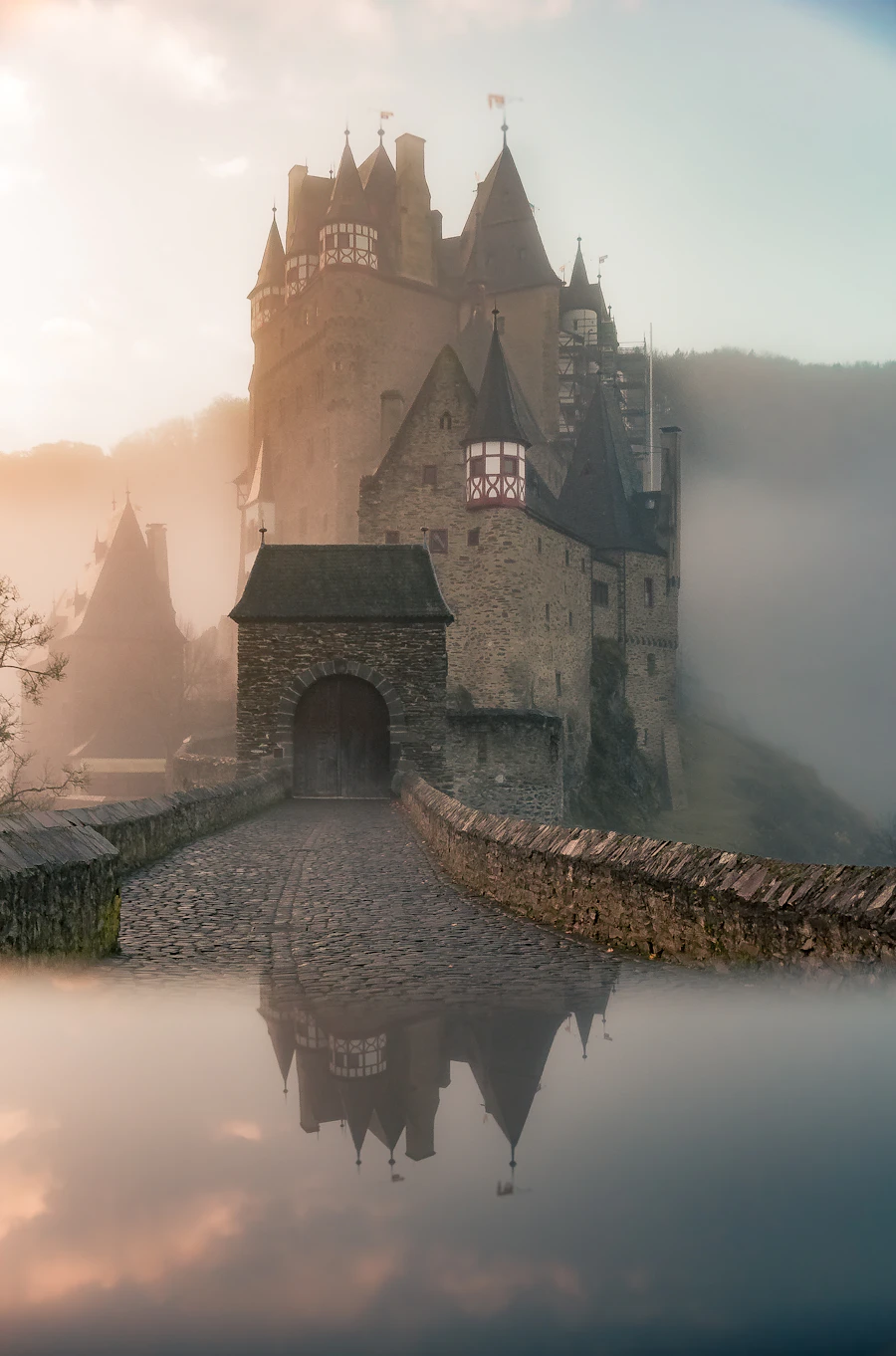
 Photograph by M. Henauer for Digital Relics
Three months of airborne LIDAR over the Petén basin in Guatemala has resolved 11.4 km of paved sacbé connecting two minor Classic-period centres to Tikal. The data passes that produced the result, the vegetation-filter parameters that almo…
Read the field dispatchThree months of airborne LIDAR over the Petén basin in Guatemala has resolved 11.4 km of paved sacbé connecting two minor Classic-period centres to Tikal. The …
A small transformer trained from scratch on the Mycenaean Linear B corpus produces three credible readings for an undeciphered fragment of the KN Fp series. Th…

A 134-pillar VR reconstruction of the Karnak hypostyle hall, built from 47,000 photogrammetric source images and the Ramessid-era polychromy survey, is now run…
Troubleshooting common problems when you present audio and video with IIIF: diagnose the usual errors, find the root cause fast and apply fixes that actually
When the Umayyad Mosque minaret in Aleppo was reduced to rubble in 2013, photogrammetric models were our last record of what stood there. We can rebuild it in …

Troubleshooting common problems when you model signed and hostile ties: diagnose the usual errors, find the root cause fast and apply fixes that actually hold
A small transformer trained from scratch on the Mycenaean Linear B corpus produces three credible readings for an undeciphered fragment of …
A 134-pillar VR reconstruction of the Karnak hypostyle hall, built from 47,000 photogrammetric source images and the Ramessid-era polychrom…
Troubleshooting common problems when you present audio and video with IIIF: diagnose the usual errors, find the root cause fast and apply f…
When the Umayyad Mosque minaret in Aleppo was reduced to rubble in 2013, photogrammetric models were our last record of what stood there. W…
LIDAR survey is exposing 11 km of paved sacbé previously hidden under jungle canopy. Field season open through October.
Read field notes →My standing tab for models, papers, dev tools — signal over noise.
ai-tldr.devWhere the digest shows its working before the headline summary.
hackmd.ioWhy the compute that runs my LIDAR cluster is itself a market story.
pomegra.ioHyperscaler economics that quietly subsidise small research labs.
pomegra.ioUseful reminder for anyone betting a heritage project on a single vendor.
pomegra.ioWhat I would rewrite my photogrammetry session scripts on top of.
shep.botThree months of airborne LIDAR over the Petén basin in Guatemala has resolved 11.4 km of paved sacbé connecting two minor Classic-period centres to Tikal. The data passes that produced the result, the vegetation-filter parameters that almost hid it, and what comes next.
A small transformer trained from scratch on the Mycenaean Linear B corpus produces three credible readings for an undeciphered fragment of the KN Fp series. The model is wrong in interesting ways. Here's the architecture, the training data, and what the failures tell us about epigraphy.
A 134-pillar VR reconstruction of the Karnak hypostyle hall, built from 47,000 photogrammetric source images and the Ramessid-era polychromy survey, is now running at 90 Hz on a Quest 3. The mesh is faithful to within 4 mm. The lighting is the open question — and it is a harder question than the geometry.
Troubleshooting common problems when you present audio and video with IIIF: diagnose the usual errors, find the root cause fast and apply fixes that actually
When the Umayyad Mosque minaret in Aleppo was reduced to rubble in 2013, photogrammetric models were our last record of what stood there. We can rebuild it in a renderer to sub-centimetre accuracy. Whether we should — and on whose authority — is a question the technology will not answer for us.
Troubleshooting common problems when you model signed and hostile ties: diagnose the usual errors, find the root cause fast and apply fixes that actually hold
A practical guide to reconcile place names in your data for working historians and archivists, covering the workflow end to end with concrete examples you can
Best practices and a working checklist to sustain a crowdsourcing community, so your results stay consistent, documented and defensible across a whole
Best practices and a working checklist to test a format migration safely, so your results stay consistent, documented and defensible across a whole collection
Most photogrammetric documentation pipelines assume an object that can be moved. Bound or charred manuscripts cannot. The workflow we have settled on at the Bodleian — sub-millimetre mesh density without a single page-turn — relies on a turntable that never moves the page, a calibrated 60 megapixel camera, and a quiet patience with Agisoft Metashape.